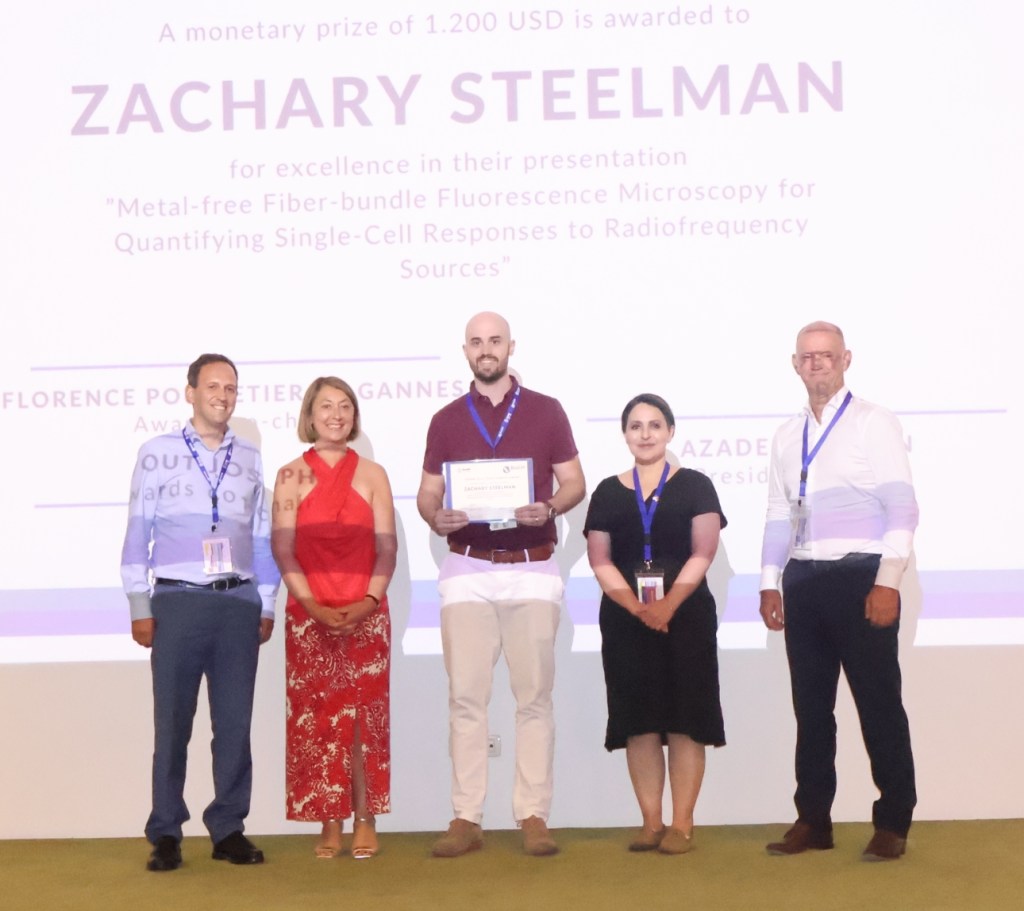
Zachary Steelman of the U.S. Air Force Research Laboratory wins 7th Annual Arthur Pilla Young Scientist Award

Crete, Greece, June 16-21, 2024

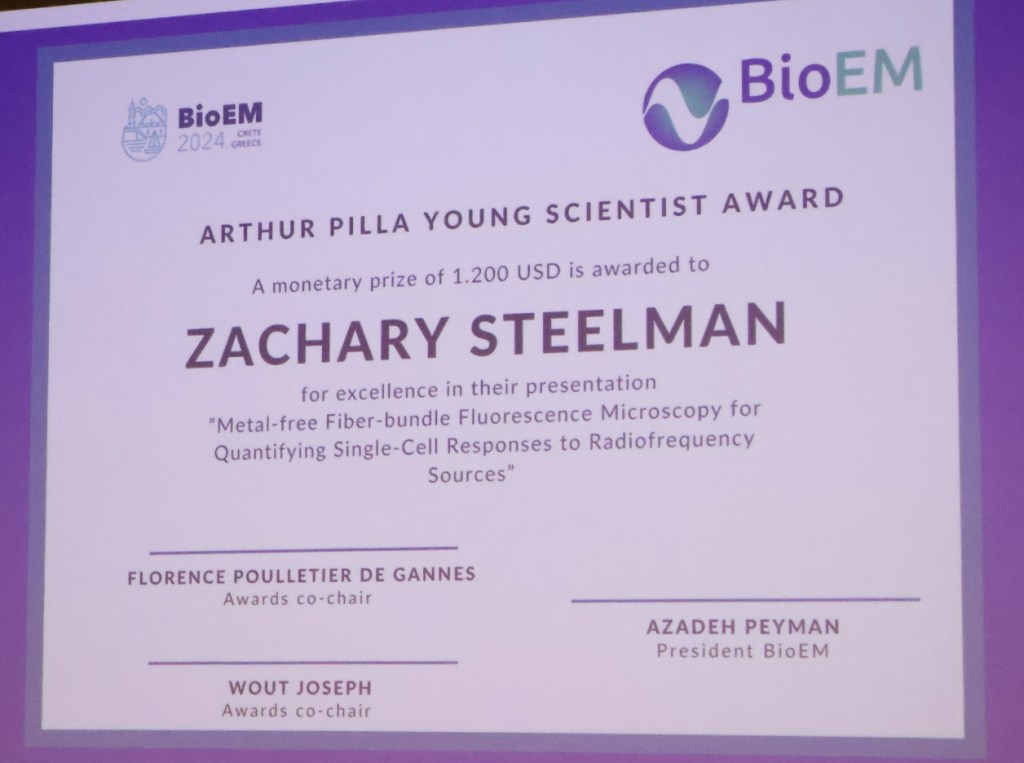
Zachary Steelman is a Research Biomedical Engineer at the U.S. Air Force Research Laboratory, and the 7th Annual Arthur Pilla Young Scientist Award recipient!

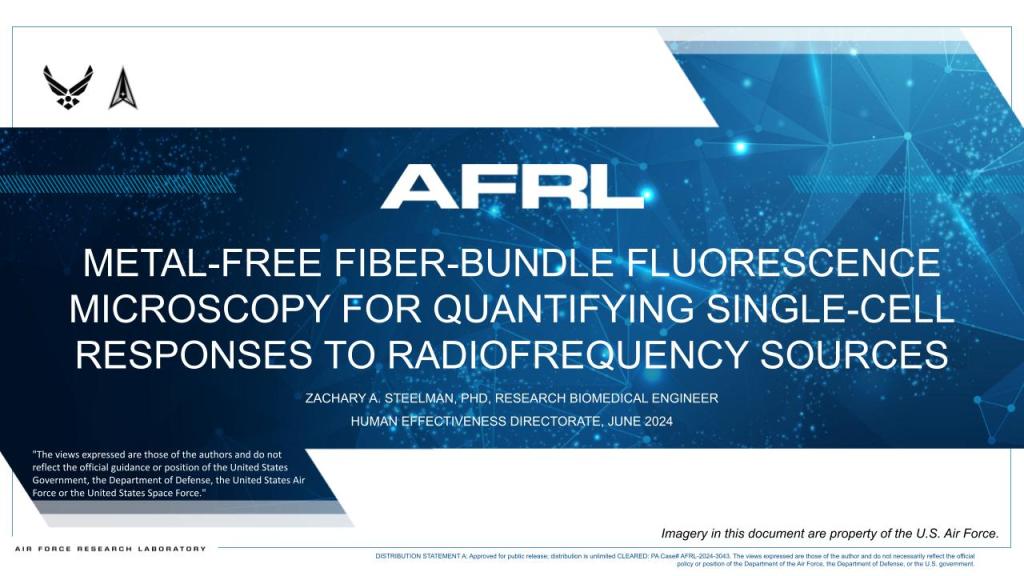
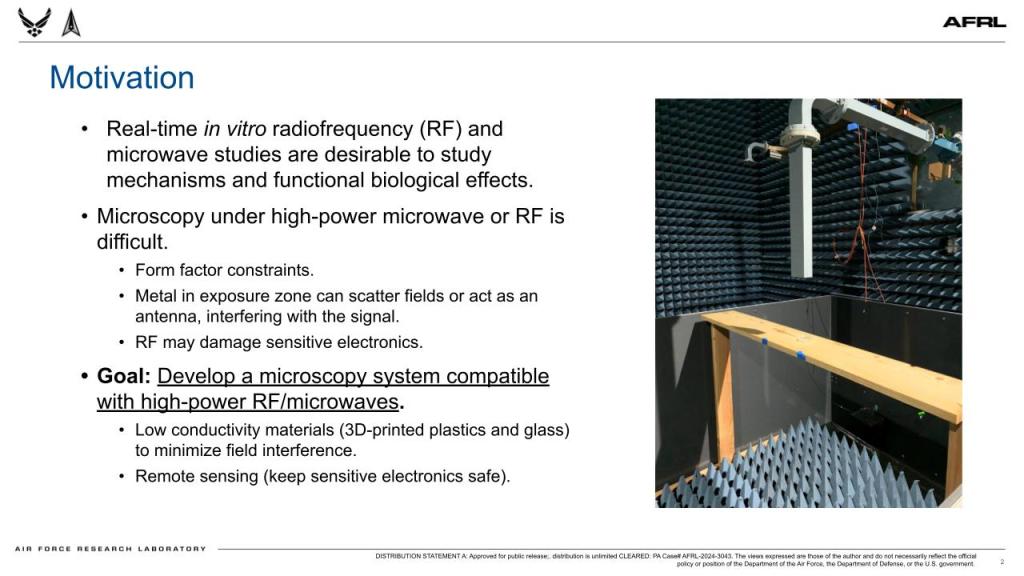
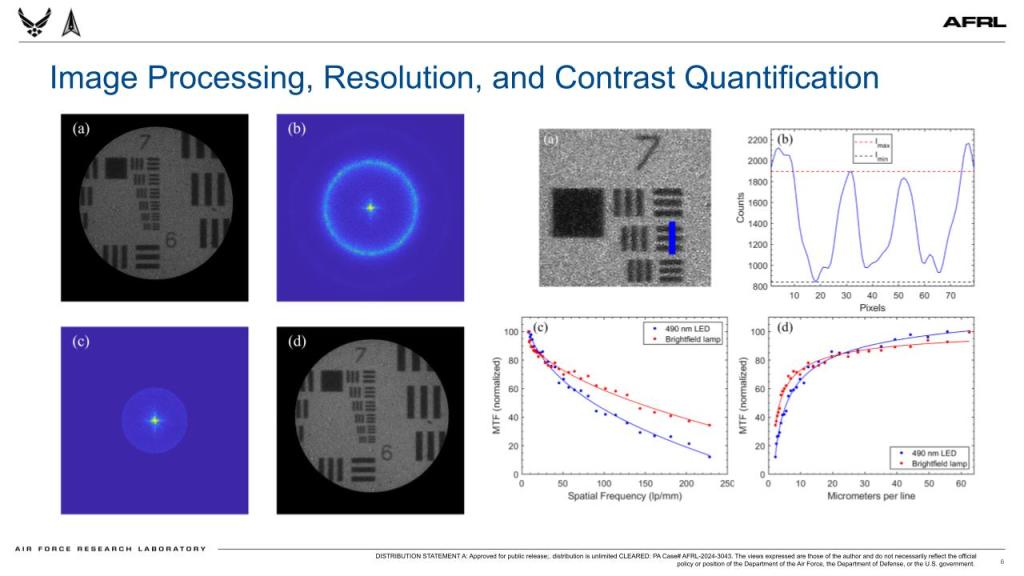
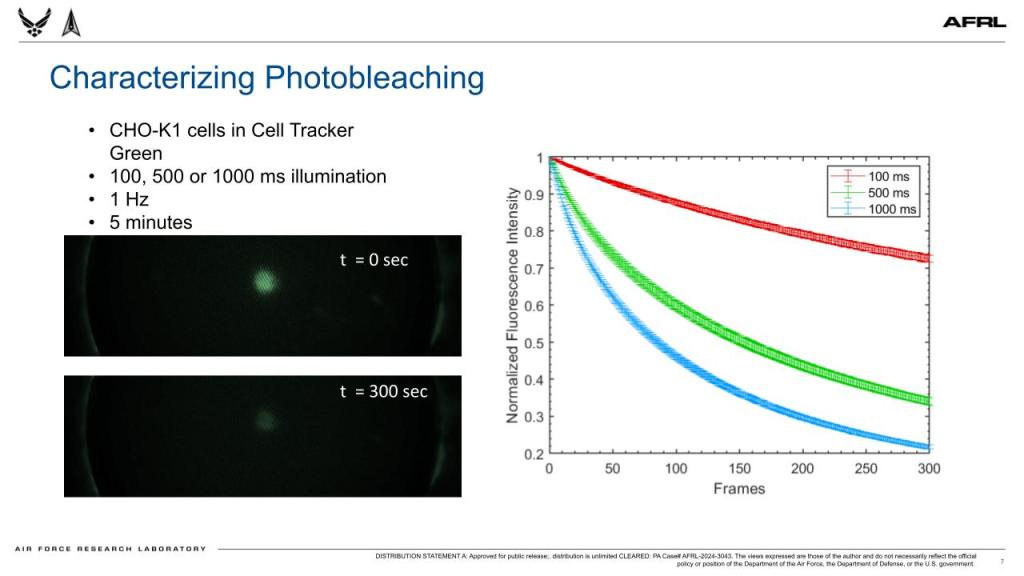
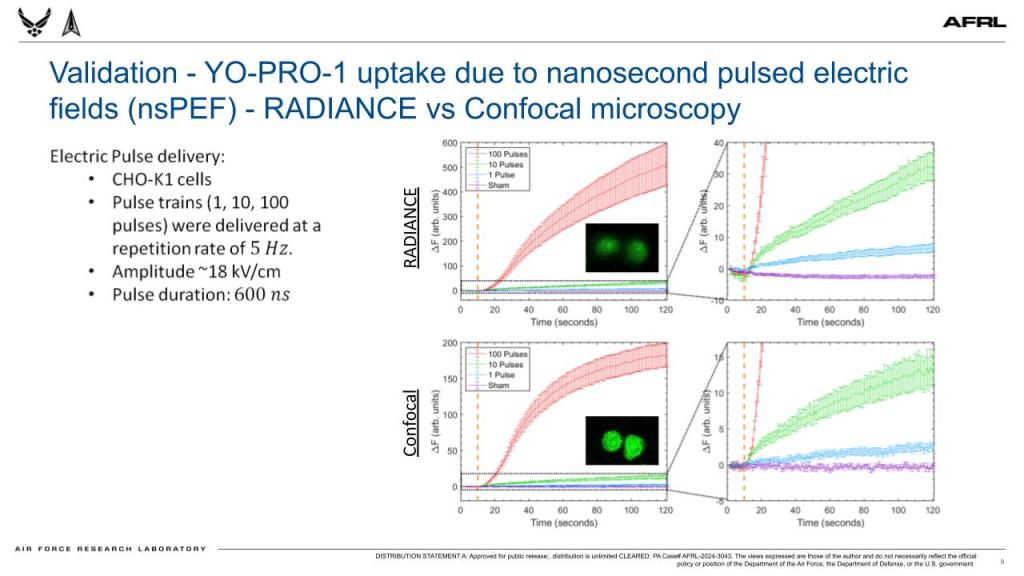
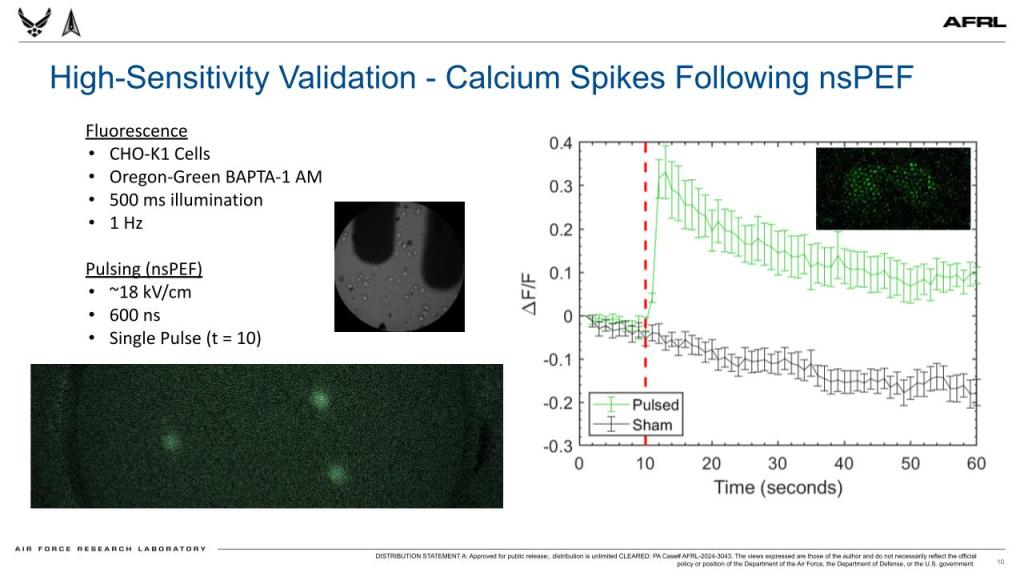
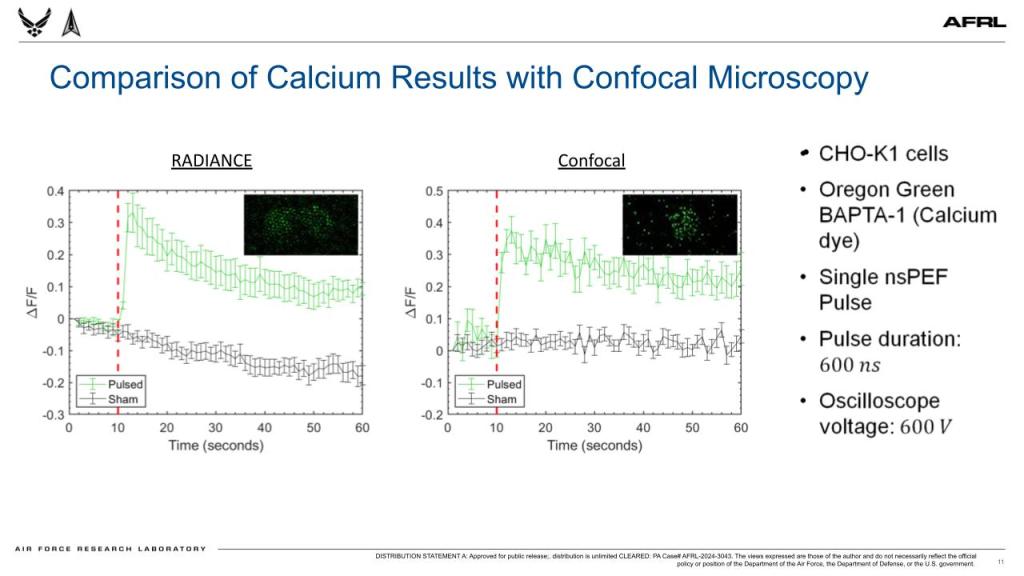
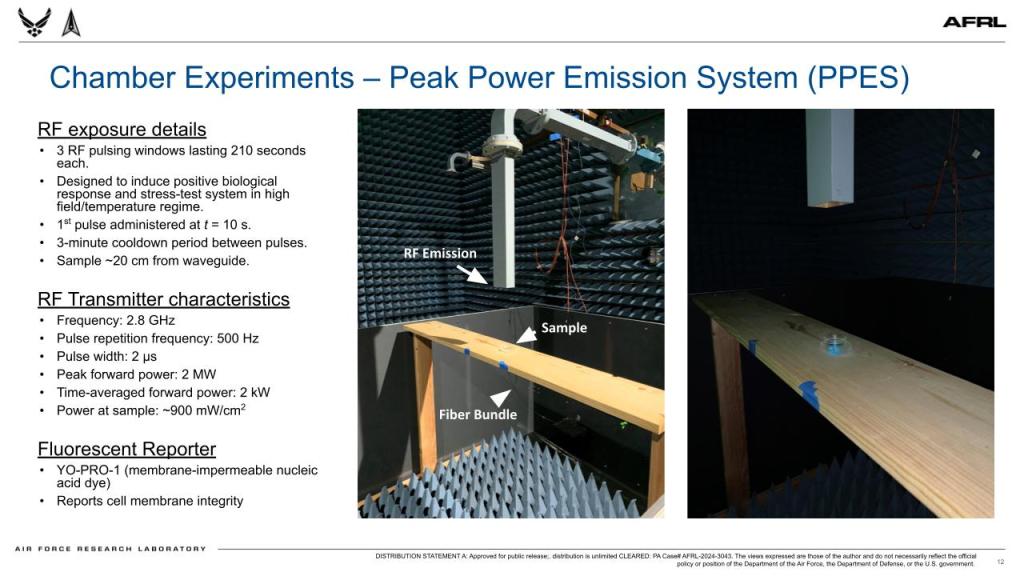
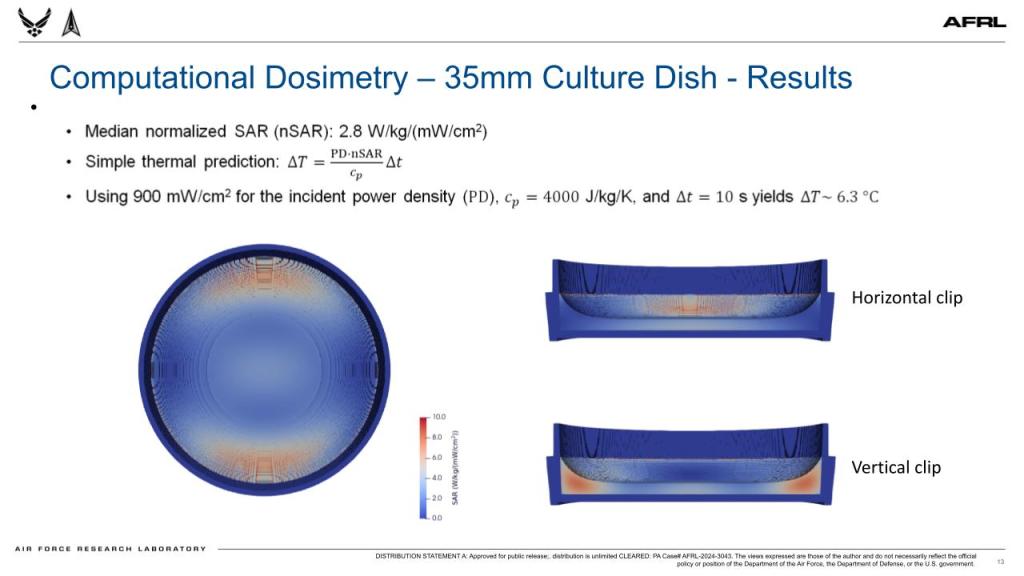
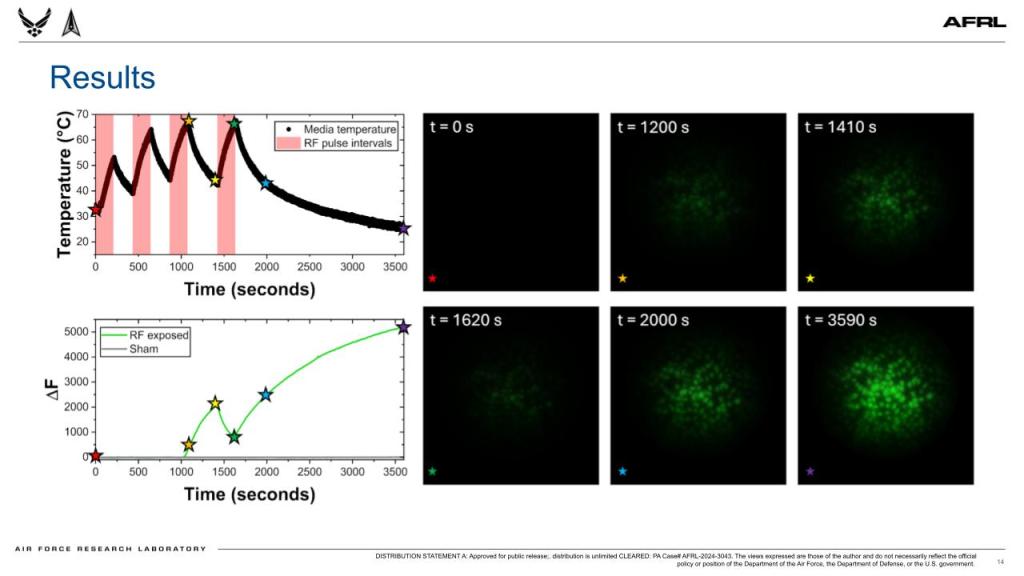
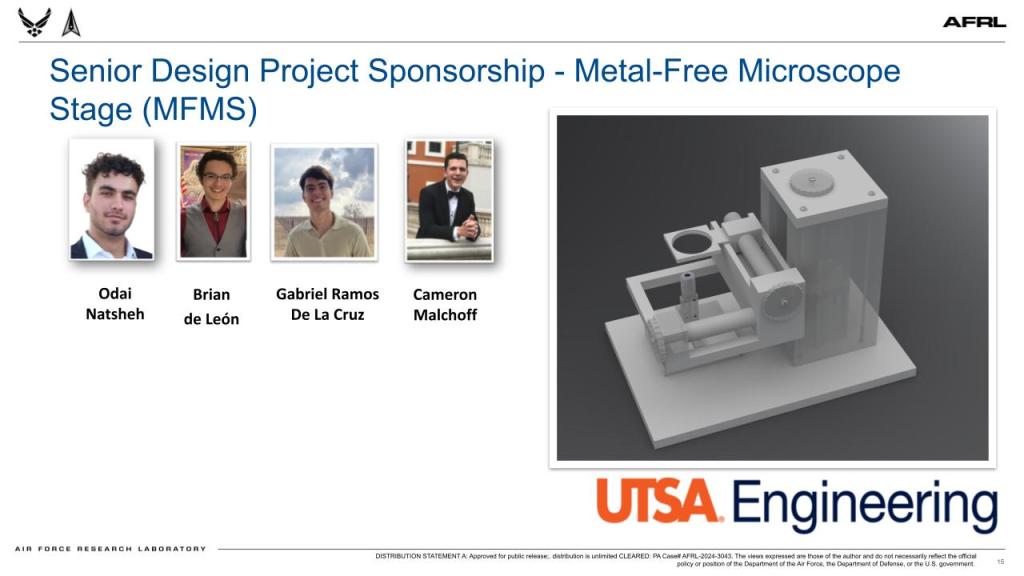
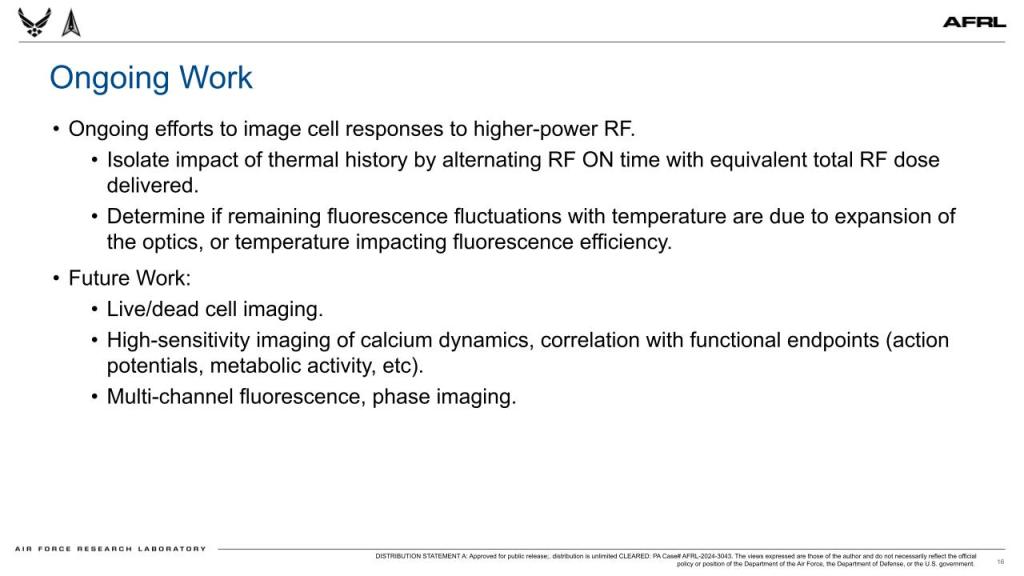
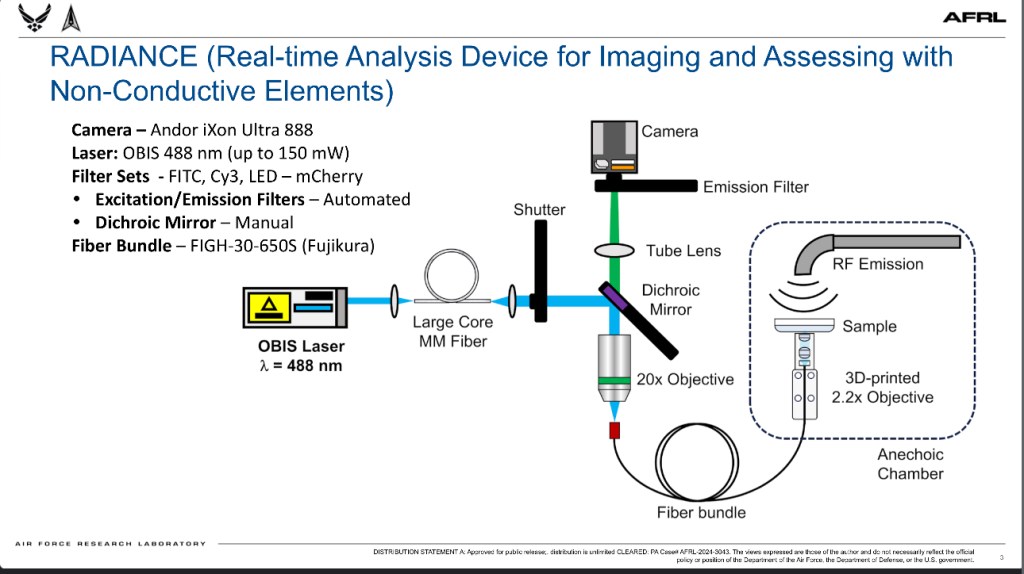
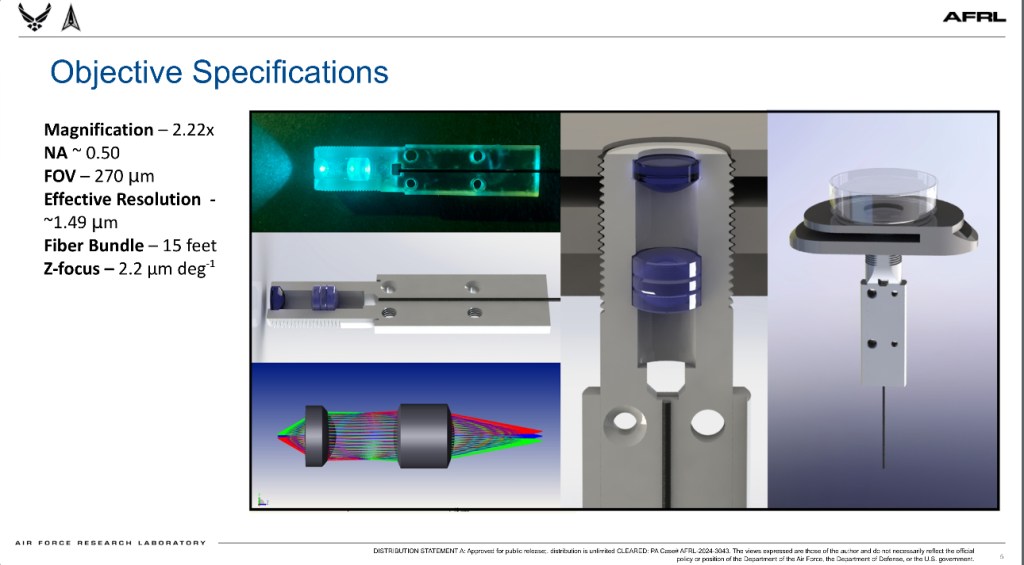
The Annual Bioelectromagnetics (BioEM) meeting took place in Chania on the beautiful island of Crete in Greece this year, and with it our 7th Annual Arthur Pilla Young Scientist Award was awarded! Dr. Zachary Steelman from the U.S. Air Force Research Laboratory in Fort Sam Houston, San Antonio, TX was awarded the esteemed prize with his presentation entitled, “Metal-Free Fiber-Bundle Fluorescence Microscopy for Quantifying Single-Cell Responses to Radio-Frequency Sources”. The study sought to develop a microscopy system compatible with high-power radiofrequency radiation, in order to better study single-cell responses to electromagnetic stimulation.

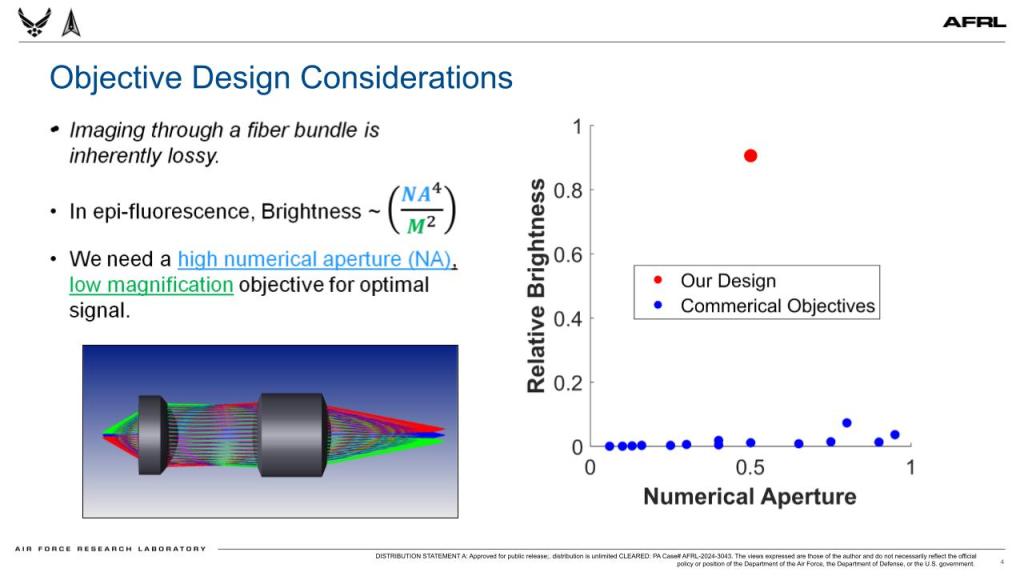
Dr. Steelman used 3D Printing to create a microscope objective and housing for the glass lenses, thereby eliminating any source of metallic material that might interfere with the electromagnetic stimulus.  The ability to image cells during exposure to high-power electromagnetic stimuli opens the door to real-time studies of single-cell responses. 
Full poster presentation:


Dr. Steelman’s findings could potentially prove to be one of the most important discoveries to date to help advance how we study the effects of electromagnetic stimuli on biological cells, and improves the speed and accuracy of data collection.

Of note is that the Arthur Pilla Young Scientist Award is normally given to a researcher in biology or bioelectromagnetics, but this year all that has changed! With a Biomedical Engineering background, and more specifically Optical Engineering, Dr. Steelman is the first recipient to receive the award in his field.

The Arthur Pilla Young Scientist Award is presented each year at the Annual BioElectromagnetics Society meeting to a Young PhD of less than 5 years, and includes a monetary prize of $1200 USD, and a Certificate of Recognition. Read more about the requirements here. Presented to Best Presentation and judged by a committee of esteemed scientists, the award is both prestigious and eagerly anticipated by young scientists from around the world. This award was established by Dr. Pilla’s daughter, Astrid, to encourage young scientists everywhere to continue research in electrotherapeutics using PEMF, and related areas. 

Read more and learn how to support young scientists in electrotherapeutic research at ArthurPilla.com
BioEM promotes the exchange of ideas to advance the science of natural and applied electromagnetic fields in biology and medicine. Visit BioEM.org to learn more.

Get ready for next year’s BioEM 2025 to take place in Rennes, France from June 22-27, 2025.
2026 BioEM is slated to take place at the Cairns Convention Centre in Queensland, Australia.

The 6th Annual Arthur Pilla Young Scientist Award is coming soon!

Oxford, UK, June 11, 2023- This year’s recipient of the prestigious Arthur Pilla Young Scientist Award will be chosen from an unprecedented 26 submissions for BioEM23!

The Bioelectromagnetics Society (BEMS) and The European Bioelectromagnetics Association (EBEA) have merged into one organization, BioEM, and after cancelled meetings due to the pandemic and online offerings, this year they are back at the University of Oxford, Mathematics Institute , United Kingdom for the 2nd annual meeting of the newly merged societies.
Come back soon to read all about our 6th annual recipient!

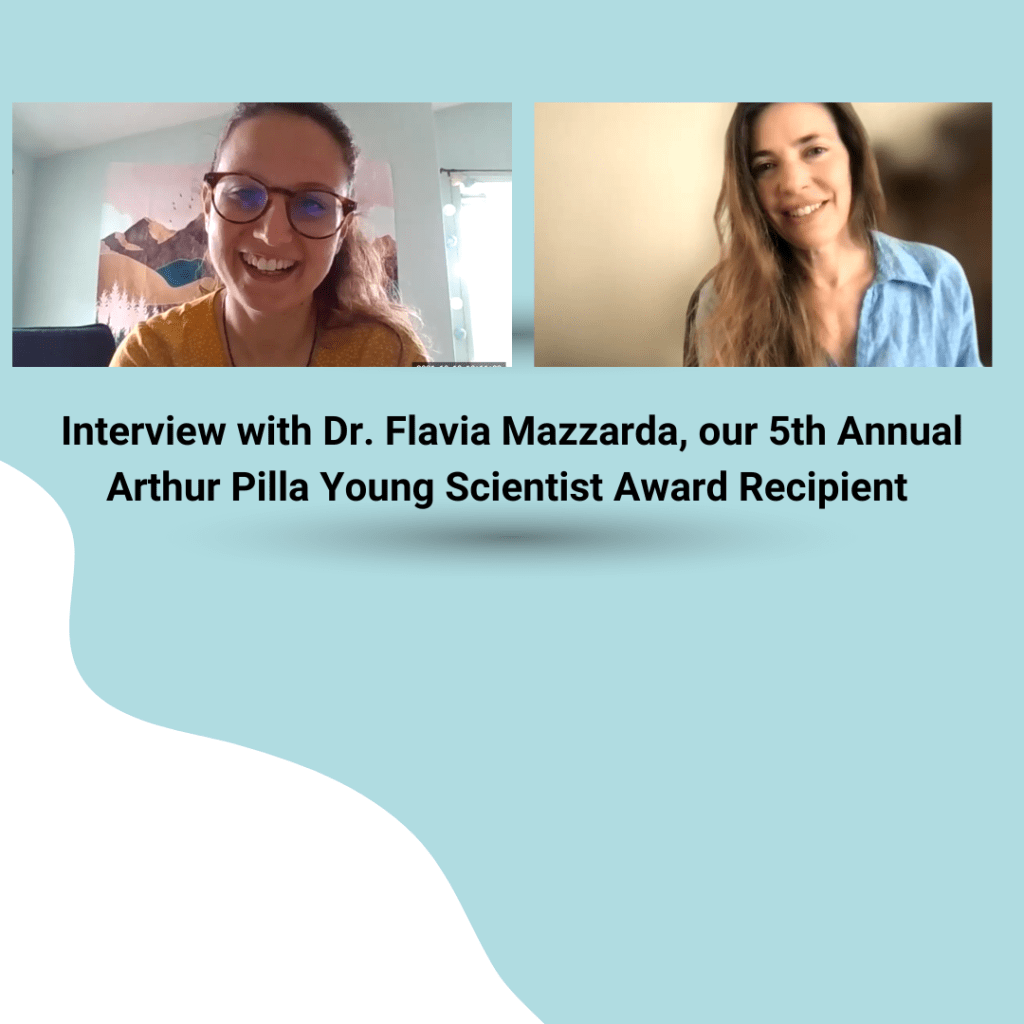
Meet our 5th Annual Arthur Pilla Young Scientist Award Recipient, Dr. Flavia Mazzarda of Rome, Italy

October 2021, Virginia Beach, VA:

Congratulations to Dr. Flavia Mazzarda, a postdoctoral fellow at the Frank Ready Research Center for Bioelectrics, who won the 5th Annual Arthur Pilla Young Scientist Award during BioEM 2021. The award, given every year to a young scientist in the field of bioelectromagnetics, is sponsored by the Arthur A. Pilla Research Foundation in memory of Dr. Arthur A. Pilla, a world-renowned bioelectrochemist, inventor, and beloved professor.

Dr. Mazzarda was chosen for the award for delivering the best presentation of the year with her study titled “Nanosecond pulsed electric fields activate the inflammasome in macrophages: the role of potassium in this complex scenario”. The award is considered one of the most prestigious awards in the field of Bioelectromagnetics and is a yearly award given to a young PhD (less than 5 years post-doctoral).

Dr. Mazzarda received her bachelor’s degree in Biomedical Engineering in 2012 and a master’s degree in Nanotechnology Engineering in 2016. In 2020, she obtained her Ph.D. in Condensed Matter Physics, Nanoscience, and Complex Systems from the University of Rome “Rome Tre”. Her research focuses on understanding the effects of short nanosecond electric pulses on immune cells and how electric pulses can stimulate the immune system to attack tumors.

I had the pleasure of interviewing Dr. Mazzarda after BioEM2021’s hybrid conference coming back after the pandemic. Dr. Mazzarda’s research closely follows Dr. Pilla’s research and expands upon it- studying what may happen to tumor growths if we modulate and control the signal by changing the length and amplitude.

Interview by Astrid Pilla, Founder of the Arthur Pilla Research Foundation, and creator of the Arthur Pilla Young Scientist Award. You can read about this yearly award here.


Meet our 4th Annual Arthur Pilla Young Scientist Award Winner, Dr. Ilaria Liorni

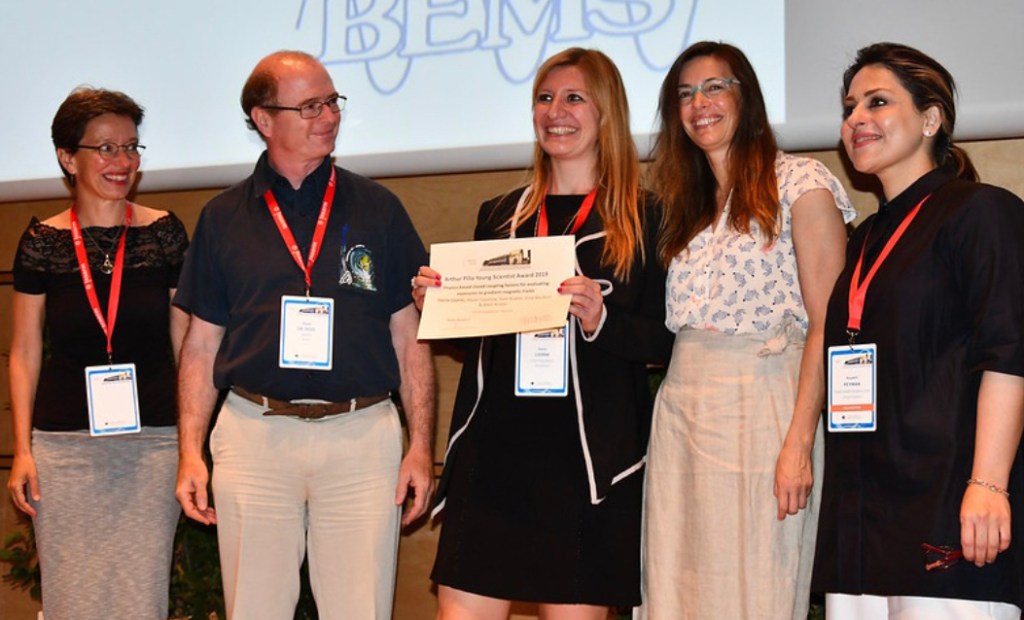
Pictured from left to right are BEMS President René De-Seze, Ilaria Liorni, PhD, Astrid Pilla, Founder of the Arthur Pilla Research Foundation, and Azadeh Peyman, President Elect of BIOEM

Congratulations to Dr. Ilaria Liorni, winner of the 4th annual Arthur Pilla Young Scientist Award. This award recognizes outstanding achievements by young researchers in the field of bioelectromagnetics. The Biolectromagnetics Society is on of the few research communities that considers PhD students to be an active part of the community and give them the possibility to present their own research and to be awarded for it.  

Dr. Liorni’s contributions to the field of bioelectromagnetics have been exceptional. Her research has focused on the characterization of electromagnetic fields and their effects on the human body, with a particular emphasis on the use of wearable devices and exposure assessment. Her work has helped to establish the foundation for the safe and effective use of wearable technology and has contributed significantly to our understanding of the effects of electromagnetic fields on human health.

The Arthur Pilla Young Scientist Award is named after the late Dr. Arthur Pilla, a pioneer in the field of bioelectromagnetics. Dr. Pilla was a highly respected researcher and educator who made significant contributions to the field throughout his career. This award was established to honor his legacy and to recognize the outstanding achievements of young researchers who are carrying on his work.

The award was presented to Dr. Liorni during the joint annual meeting of The Bio-electromagnetics Society and EBEA, the European Bioelectromagnetics Association. The meeting brought together researchers from around the world in the city of Montpellier, France to discuss the latest developments in bioelectromagnetics research.

We congratulate Dr. Liorni on this well-deserved honor and look forward to seeing the impact that her future research will have on the field of bioelectromagnetics. We also extend our thanks to The Bio-electromagnetics Society and EBEA for their continued support of young researchers in this field. Find out more at BIOEM

Published, All rights reserved, 2019

Dr. Arthur A. Pilla Research Foundation 3rd Annual Young Scientist Award

Supporting young scientists studying electrotherapeutics, and continuing to honor the life’s work of Dr. Arthur Pilla in the field of PEMF

Winner of the Dr. Arthur Pilla Research Foundation’s annual Young Scientist Award, Dr. Maura Casciola in 2018 with Dr. Andrei Pakhomov of the Frank Reidy Research Center for Bioelectrics.

Meet our 3rd Annual Arthur Pilla Young Scientist Award Winner, Dr. Maura Casciola from Rome, Italy

Dr. Maura Casciola interview

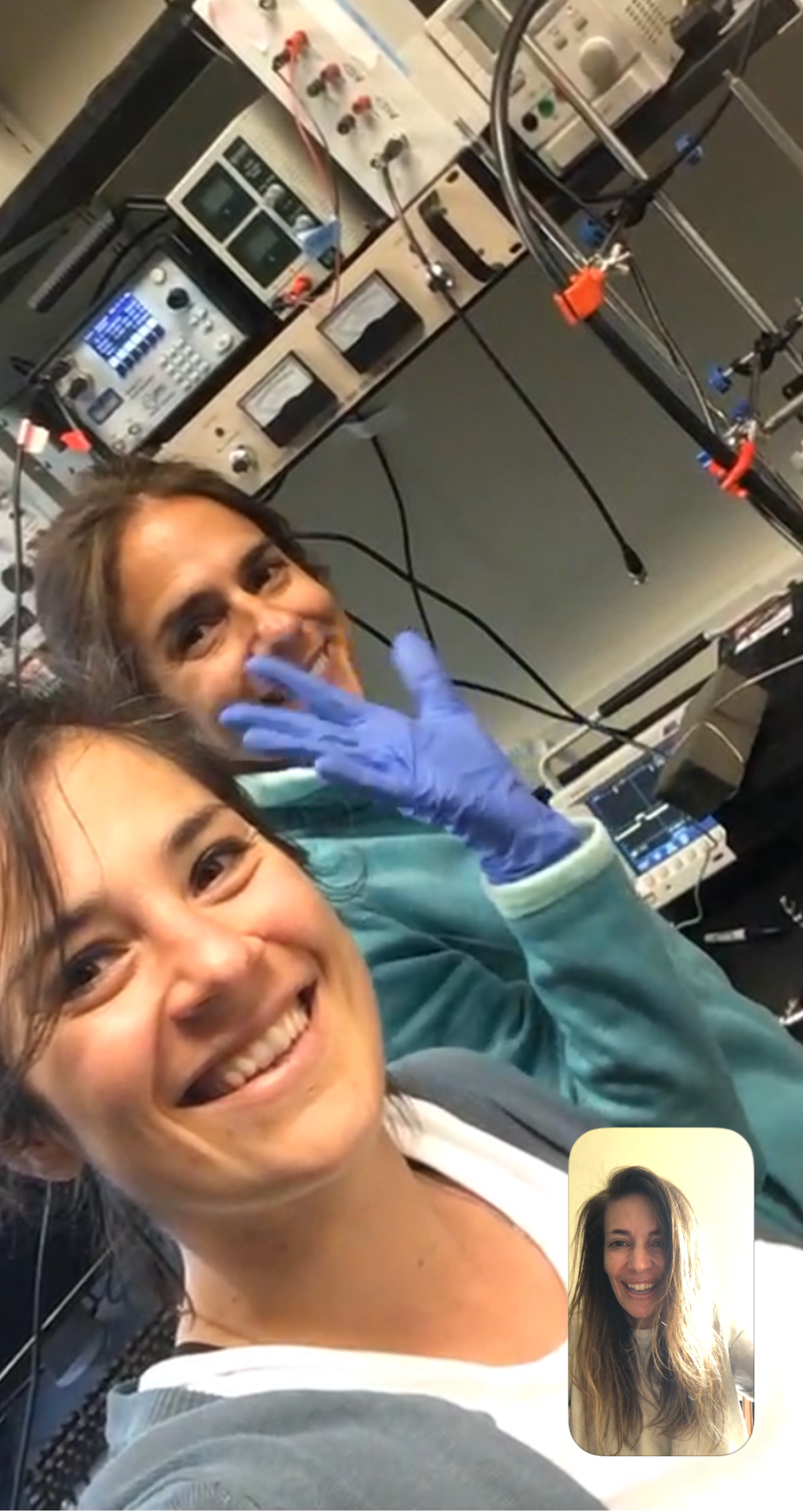
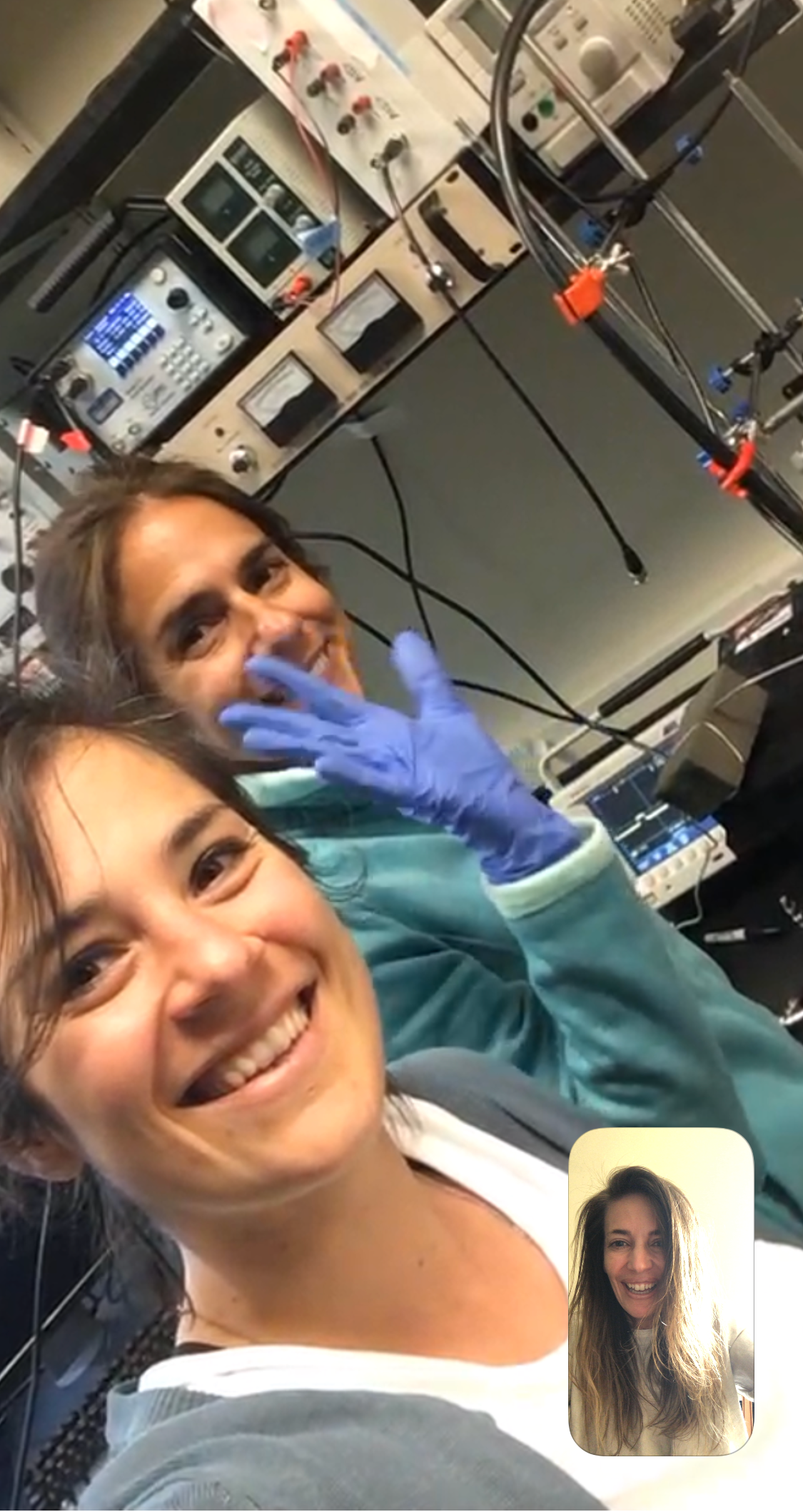
I caught up with Dr. Casciola just as she and her colleague were finishing up an experiment in her lab at the Frank Reidy Center for Bioelectrics, Old Dominion University in Norfolk, VA

The Arthur Pilla Young Scientist Award is presented each year to a young Ph.D. researching the effects of Pulsed Electromagnetic fields on biological systems.  For our third annual award, we presented in Portoroz, Slovenia at the Annual Joint meeting of the Biolectromagnetics Society (BEMS) and the European BioElectromagnetics Association (EBEA) (now BIOEM).   As we approach our 4th Annual award presentation,  we wanted to take a moment to highlight our 3rd Annual award winner, Dr. Maura Casciola of Rome, Italy.   Currently, Dr. Casciola is conducting research at Old Dominion University in Norfolk, VA.  I caught up with Dr. Casciola quite literally while she was conducting an experiment in her lab!  Here’s what she had to say:

Astrid:  Thank you for speaking with me today! Can you summarize your research for us?

Dr. Casciola:  Since 2016 I have been studying neuron excitation using Pulsed Electric Fields.  My study, entitled, “Nanosecond bipolar cancellation of action potentials in nerve fibers” sought to show the effects of nanosecond, millisecond, high-intensity pulsed electric fields (PEF’s) on biological targets.  By adjusting the amplitude as well as duration, plus the inter-pulse intervals of a bipolar nanosecond pulse, we show that we can reduce and eventually suppress the response of the nerve.

Astrid:  For those who may not understand the significance of your study, can you explain why you are excited about this finding? 

Dr. Casciola:  If we can suppress the response of cells close to the electrodes while maintaining the response in a remote area, this opens up the possibility of remote, targeted deep tissue stimulation.  Using electrodes in contact with the surface of the body we could trigger the response of any deep region without damaging the surrounding tissues.

Astrid:  What other potential applications can you think of that we can getting excited about from further research in this area?

Dr. Casciola:  Right now, we are at the stage of looking for the optimization of the experimental condition to reduce the response of the cells surrounding the area to be treated.   If we can find the optimal conditions, this can lead to exciting possibilities such as aiding in tumor ablation or even Parkinson’s Disease.  But we are not there quite yet.

Astrid: Had you heard about Dr. Pilla before applying for this award? 

Dr. Casciola:  Since I was 24 years old during my studies I have often come across Dr. Pilla’s studies.  He was one of the first in this field and I am honored to have been awarded the 3rd Annual Dr. Pilla Young Scientist Award.

Astrid:  Why do you think it is important for young scientists to be offered an Award and and recognition such as this one?

Dr. Casciola:  In our field, prizes are very important!  Awards motivate young scientists to work harder;  Many times, Awards are only offered to Senior Scientists.  Therefore, this Award lets us know that we are important and motivates the mind; It motivates us to do better, achieve more… 

If we, as young scientists have a goal to focus on, it is much more motivating and easier to put in the effort.

The potential for this award pushed me to get results.  In sum, an award such as the Arthur Pilla Young Scientist Award pushes young Ph.D.’s to be the best.  My generation, we are all motivated and push ourselves and this award is a key supporting factor in that.

Astrid:  What does this award give you in terms of how you can use it ?

Dr. Casciola:  When this Award is presented to a young scientist, it is official proof of the capability and skill of the Ph.D. candidate’s duties required and training to apply for important positions, for example.  When interacting with other scientists and organizations, it is a well-respected Award that immediately attracts attention.  It is important recognition during your Ph.D. that can absolutely open up the possibility much more easily to further funding and support, as well as finding advanced positions in our field.

______________

To support this yearly award given to a young Ph.D. candidate researching the therapeutic effects of Pulsed Electromagnetic Fields (PEMF) on biological systems, please consider donating to keep this award alive for years to come. The Arthur A. Pilla Research Foundation is a 501 (c) (3) Public Charity and all donations are tax deductible.

The fourth Annual Arthur Pilla Young Scientist Award will be awarded in Montpellier, France during the Annual Meeting from June 23-28, 2019.   Donate today to the Arthur Pilla Research Foundation in support of young scientists at this annual event!

©2019 ARTHUR PILLA RESEARCH FOUNDATION, ALL RIGHTS RESERVED
2nd Annual Arthur Pilla Young Scientist Award Winner at BioEM2017 Hails from Zurich, Switzerland

During BioEM2017, a joint annual meeting between the Bioelectromagnetics Society (BEMS) and the European BioElectromagnetics Association (EBEA), our 2nd annual Arthur Pilla Young Scientist Award winner was selected!  The meeting, which took place June 5-9, 2017 in Hangzhou, China, had 5 entries this year- with topics ranging from nerve stimulation by PEMF, modeling of electroporation, magnetophosphene perception at Extremely Low Frequency magnetic fields and bacterial absorption of THz.

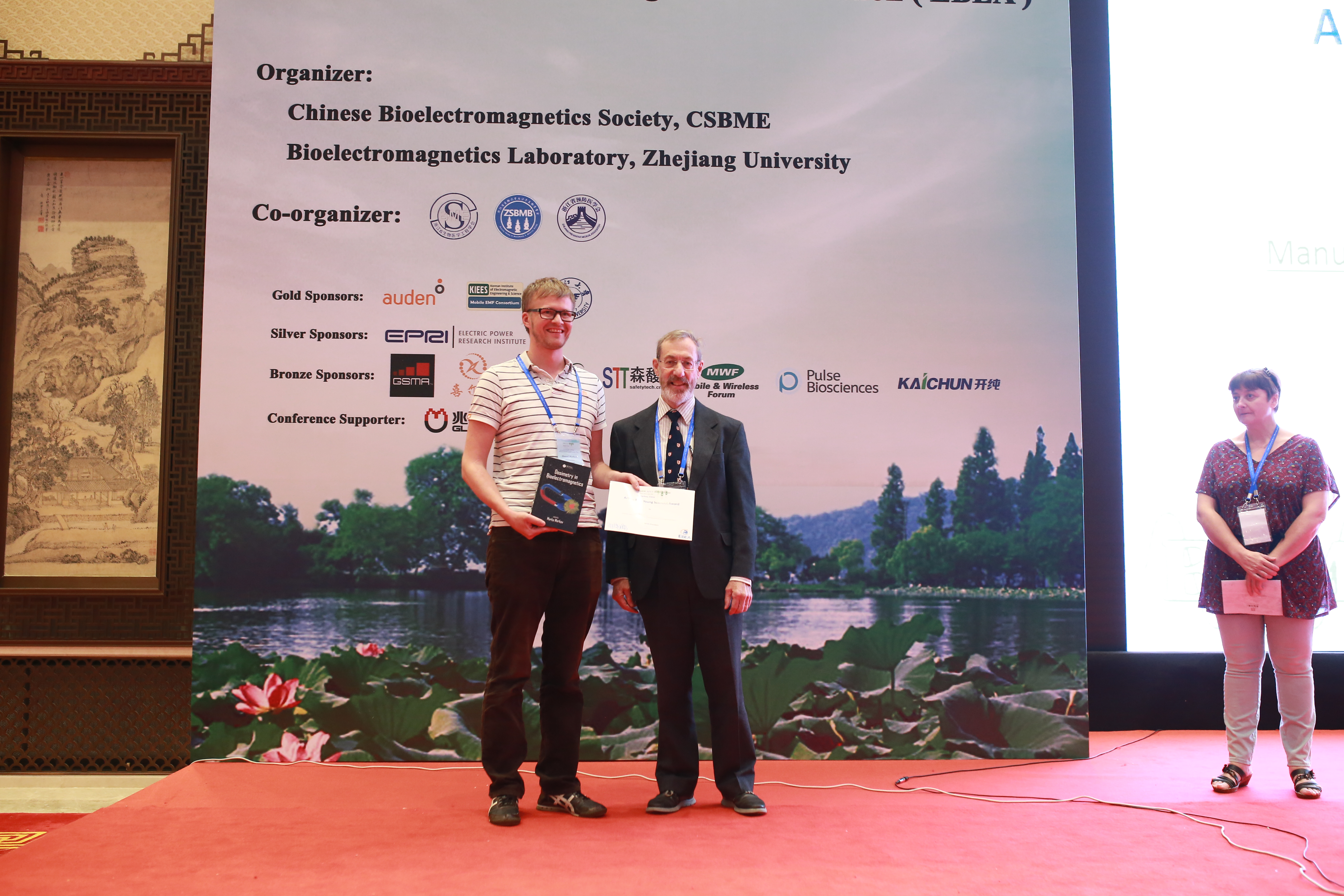
Dr. Manuel Murbach, from Zurich, Switzerland, was chosen as our winner for having the best presentation this year with his study entitled, “Numerical MRI Radiofrequency Exposure Estimation in Morphed Patient Anatomies”.   Manuel won a $1,200 cash prize, as well as a copy of Dr. Marko Markov’s book, “Dosimetry in Electromagnetics”, donated by Dr. Markov.

Read on to learn about the study “Numerical MRI Radiofrequency Exposure Estimation in morphed patient anatomies” and about Manuel’s view of the importance of a Young Scientist Award.

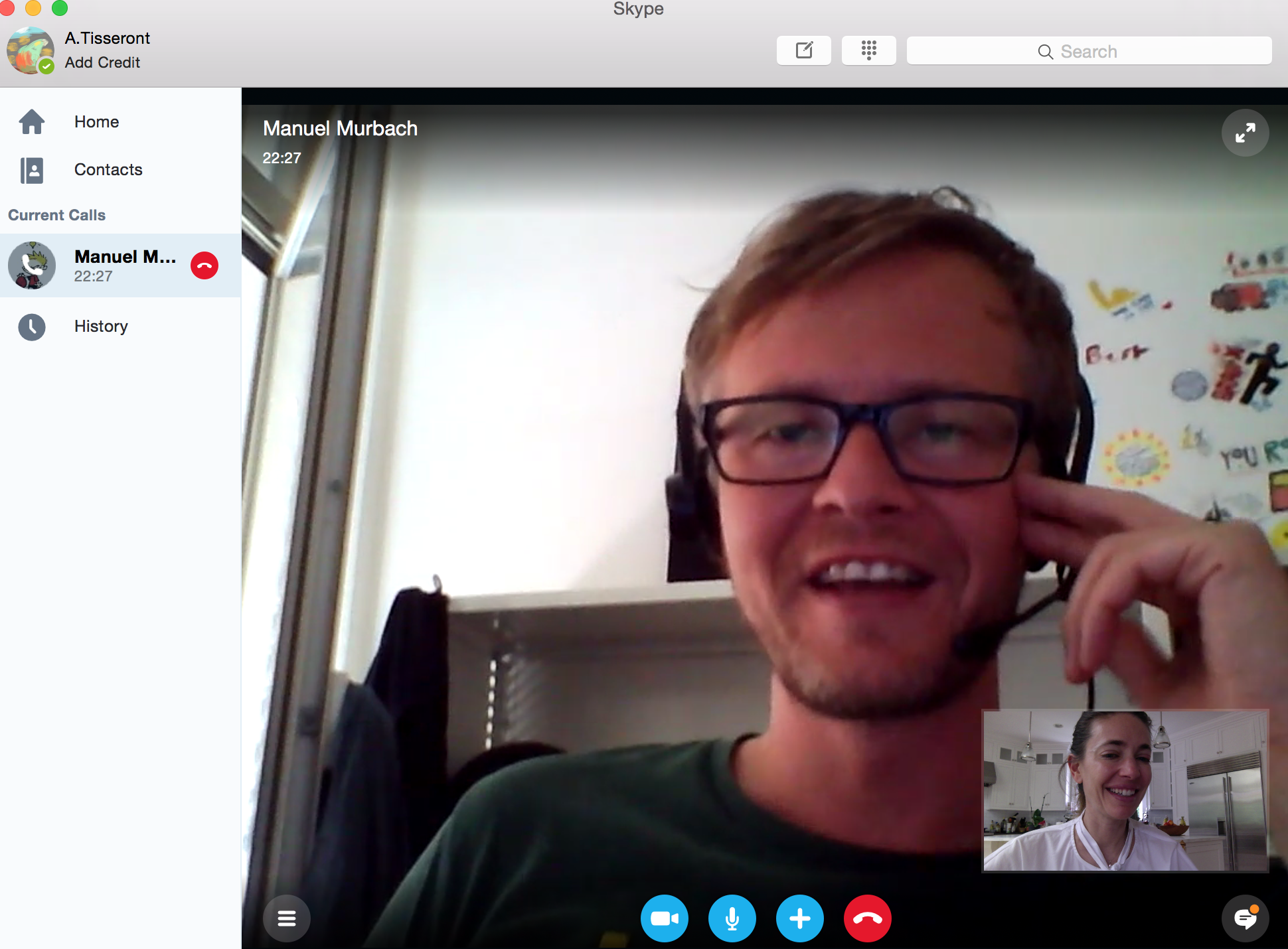
Screen Shot 2017-07-04 at 10.23.43 AM.png

Dr. Manuel Murbach of Zurich explains his winning research project and his view on why making Awards like this available to young scientists are so important.

Background:  In 2008, Manuel conducted a study on the effect of mobile phones on human sleep.    His current MRI safety study involve electromagnetic fields that are 100 times stronger than mobile phones.  For humans, as Magnetic Resonance Devices evolve and get stronger and faster, our safety protocols for new machines must be updated and modified.  FDA approval for all new machines is complex and this study seeks to aid and simplify this process for manufacturers.   When studying the effect of an MRI on human tissue, certain virtual body models are used, but Manuel found that there are currently not enough body types offered, therefore he developed a system whereby one can choose any body type to put into a virtual MRI machine and simulate how the radiation travels and can effect human fat and muscle tissue.  Manuel developed this MORPH tool to make it easier to see the effect of an MRI on someone with more muscle tissue, for example.  “We can cover more patient anatomies with this tool and get a better view on how an MRI affects certain human body types”, states Manuel.  For example, we can answer the question of whether obesity lowers or increases the safety of an MRI for certain body types.  At first glance, it looked like having more body fat was actually a good thing, and those with leaner bodies and more muscle tissue were more affected.  The new generations of MRI devices have quite different excitation technologies in order to among other things, speed up image taking, and these new machines need to be tested for safety.    MRI manufacturers must prove to the FDA that they have covered all types of scenarios and this tool will make it easier for manufacturers to do just that, which in turn translates to better patient safety.  A win-win in my book!

0B2A1995

Manuel Murbach accepts his certificate, $1200 prize money and book entitled “Dosimetry in Electromagnetics”, donated by Dr. Marko Markov

“In the end, we are moving in the right direction and this study could potentially lead to a new protocol on how to measure MRI safety on ALL body types, whether we have more or less muscle tissue, whether we have a very slight frame and not much fat around our organs, or if there is a lot of fat tissue”, says Manuel.  All of these factors can impact the effect an MRI can have on tissue and organs.

For Manuel, having a young student award stimulates creativity and energizes meetings.  It motivates young scientists to do their best and gives a certain environment of positive challenge and competition to the meetings, something that is very important in getting our younger scientists interested and involved.   I love to hear this and cannot wait to award our Third Annual Arthur Pilla Young Scientist Award in Slovenia next year!  So get your submissions in soon and see you in Slovenia!

_____________

For those very young scientists out there, it’s always interesting to find out how a scientist arrived at their present day activity.  In Manuel’s case, he started in electro-technical engineering studies, which he did not fully enjoy.  He ended up earning a Master’s Degree in Biomedical technology.   “The interaction between tech and humans is what I like”, says Manuel.  That, coupled with a love of teaching and social service is why Manuel does what he does today.  Manuel is currently working at The Foundation for Research on Information Technologies in Society (IT’IS) – a non profit organization dedicated to improving our quality of life by enhancing the safety and quality of emerging electromagnetic technologies.  Read about his latest study here.

Written by:  Astrid Pilla, President of the Arthur Pilla Research Foundation.  © June 2017 ArthurPilla.com

Meet the very first Arthur Pilla Young Scientist Award recipient

FullSizeRender 4

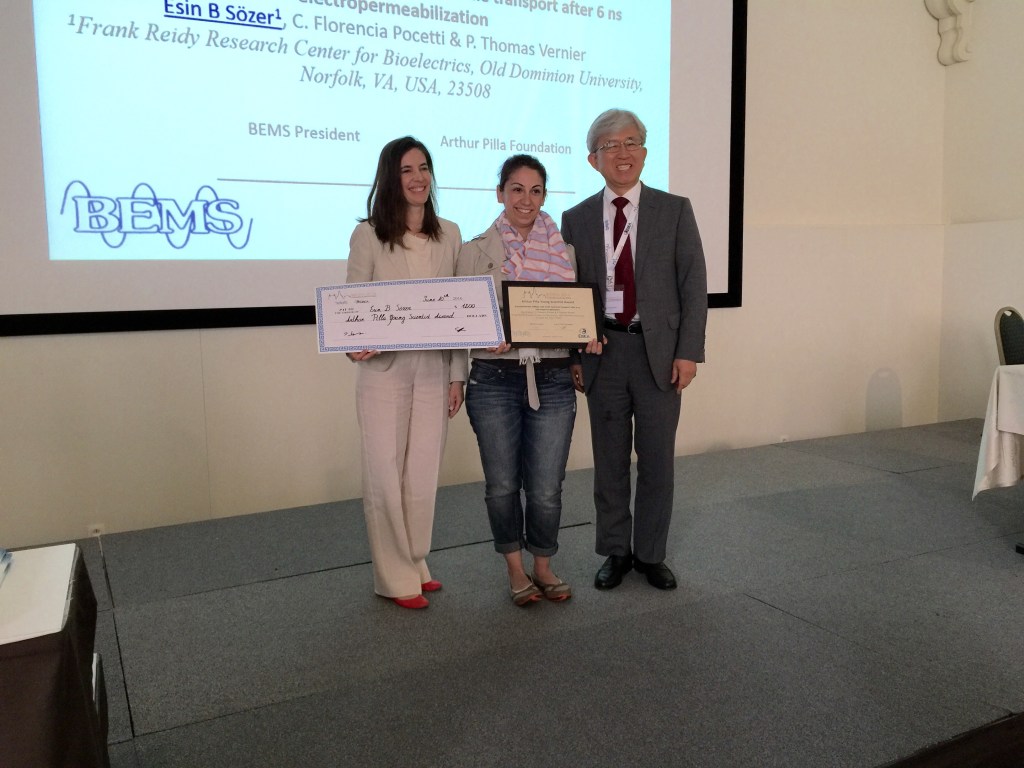
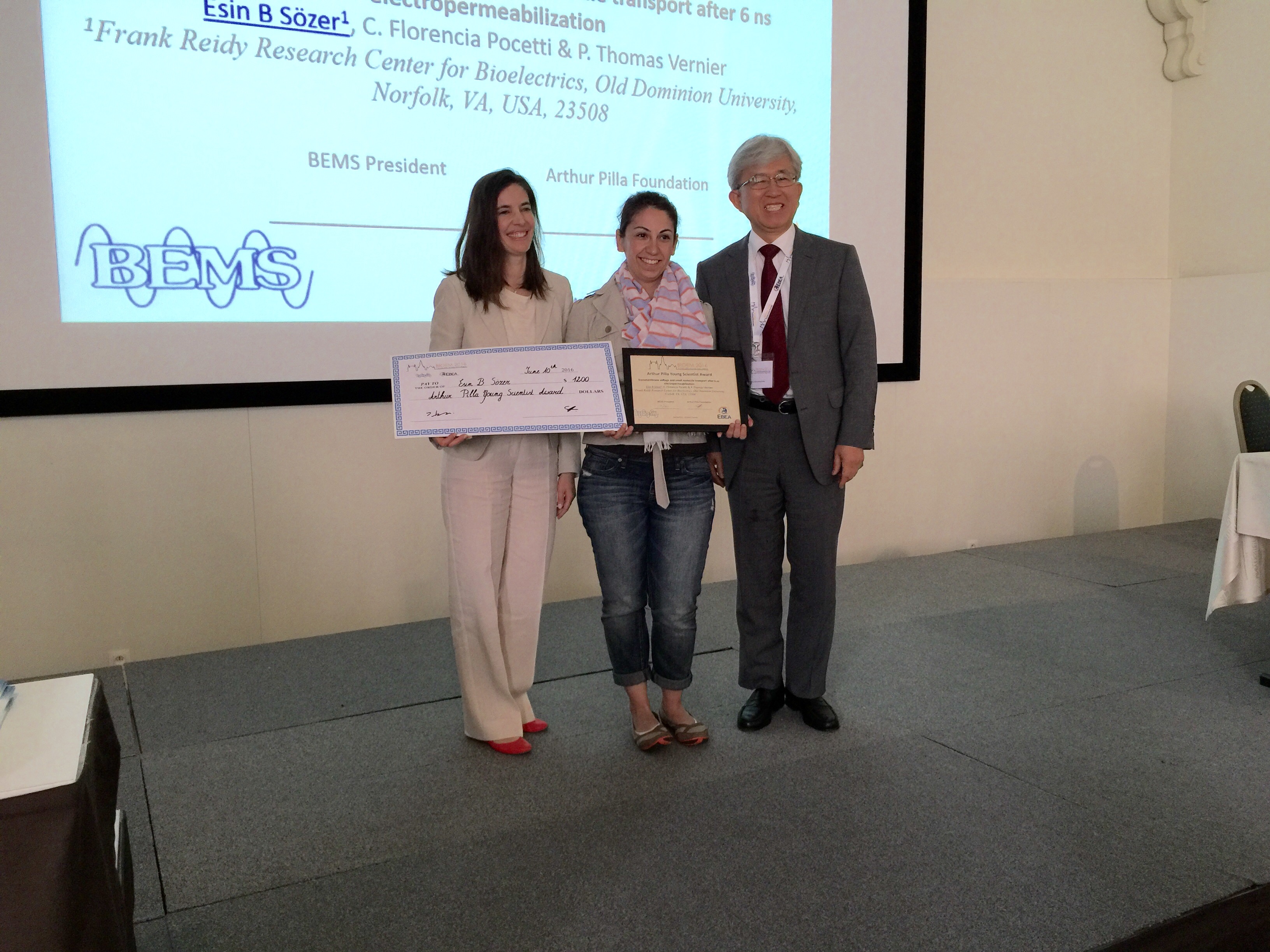
Pictured left to right:  Astrid Pilla, Founder of the Arthur Pilla Research Foundation, Esin Sözer, First Young Scientist Award winner and Dr. Nam Kim, President of BEMS

The very first Annual Arthur Pilla Young Scientist Award winner was announced on June 10, 2016 in Ghent, Belgium during the joint Annual BioEM2016 meeting between the Bioelectromagnetics Society (BEMS) and the European BioElectromagnetics Association (EBEA).   Esin Sözer, a postdoctoral research scientist in the Nanoscale Bioelectrical Physics laboratory at the Old Dominion University Frank Reidy Research Center for Bioelectrics in Norfolk, VA, presented her poster entitled Transmembrane voltage and small molecule transport after 6 ns electropermeabilization and won over the judges with her clear, outstanding presentation and findings.

I consider myself very lucky to have met such a bright young scientist and know Dr. Pilla would have been thrilled to see her enthusiasm and passion in her field.  Here are excerpts from two interviews I had with Ms. Sözer, via Skype and email:

Astrid:  Congratulations, Esin!  I am thrilled that you won the very first Arthur Pilla Young Scientist Award!  I am glad we were able to speak briefly before catching your flight back home from Gent!  
Esin:  Thank you so much.  I am thrilled to have received this award and want to thank you and your family for your support- it truly means a lot and it will help me very much in being able to present my research and travel to meetings such as this one.
Astrid: What brought you into the field of Bioelectromagnetics?
Esin: I was introduced to Bioelectrics during my Ph.D. at Dr. Martin Gundersen’s Pulsed Power group at the University of Southern California in 2008. My current supervisor Dr. Tom Vernier was working with Dr. Gundersen and I thought it was very cool. But my actual participation in the field started when I was offered the current post-doctoral position at Frank Reidy Research Center for Bioelectrics by Tom. I moved to Norfolk from Los Angeles after finishing another postdoc in accelerator physics at UCLA in 2014. The intersection of biology and physics has always been fascinating to me; I was very happy to learn I really enjoyed the research in this field and did not mind spending few extra hours in the lab if necessary. It is a blessing to work daily on things that stimulate and excite me.
Astrid: What is the first thing you think of when you hear Dr. Arthur Pilla’s name? 
Esin: My history in bioelectrics is relatively short, since 2014, and this was my very first BioEM meeting in 2016.  But I do know Dr. Pilla has done work in bone repair using electrical stimulation. I am grateful to his legacy and family for supporting young scientists. Young scientists, especially post-docs, often work long hours with very modest income, but we are driven to study, discover and share science. Awards like this are certainly very beneficial as a reminder that our efforts are being recognized and appreciated.
Astrid: How did you come up with the idea for your winning study, “Transmembrane Voltage and Small Molecule Transport after 6 ns Electropermeabilization”
Esin: I have been doing experiments trying to measure molecular transport into cells after very small electrical pulse exposures. I wanted to do very precise quantitative measurements so that we can compare the results to theoretical calculations and simulations. I tried using different molecules to do these measurements and noticed very different behavior in how much different molecules of similar size go into the cells. This gave us the idea that molecular transport into cells after electric field exposure is not only dependent on the size of molecules but also there can be some active cellular mechanisms that are contributing based on the charge of the molecules. This idea was not investigated before, and traditional understanding of mechanisms assumed the size of the molecule to be the main determining factor for transport amount.
Astrid: In terms of your conclusion, what do your findings mean to the scientific community?   What could they mean to patients and the public?
Esin: As we understand molecular transport due to electrical pulse exposure (electroporation) better, we have more chance to develop technologies that can deliver specific therapeutic agents into cells. Current electroporation-based technologies utilize purely empirical protocols in the clinic. Clinicians and scientists, we all would like to expand our understanding how these technologies work at a cellular level and improve our predictive capability of if/when they might fail, so we can be more beneficial to patients and the public.
Announcement of Esin’s achievement on the Frank Reidy Old Dominion University post-doctoral website.

The second Annual Arthur Pilla Young Scientist Award will take place at the BioEM2017 Meeting in Hangzhou, China June 5-9,2017. Don’t forget to make your contribution to the Arthur Pilla Research Foundation to support young scientists at this annual event! Donate today!
Donate Button with Credit Cards

Tributes from the Automobile Enthusiast Community

cropped-img_6602.jpg

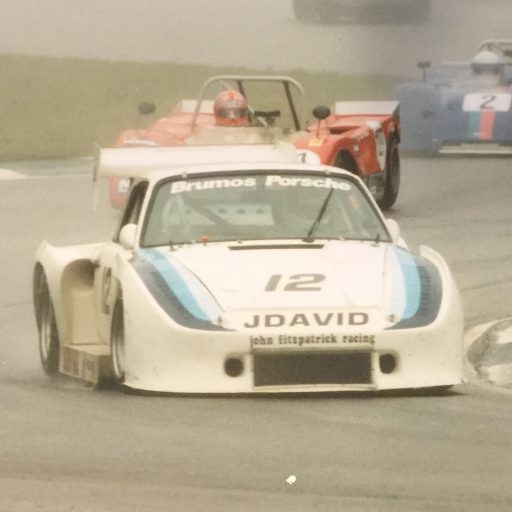
In Memoriam:  Art Pilla, #12

From: Bob Weeman 

Date: October 10, 2015 

Subject: Art

It is with a heavy heart that I write this, reminiscing about my first meeting with Art, must have been 1994 at Bridgehampton racetrack.  Being a novice trackie, and in my typical fashion, on a 3 day event at the Bridge I got the starting time wrong for the Sunday session.  With that, my assigned instructor was already out so they made an announcement on the loud speaker, asking if anyone would volunteer – and Art stepped up to the plate.  If you knew anything about the Bridge there wasn’t much margin for error, with sand on both sides of the track, which would cause the car to roll.  So prior to Art, my instructor was drilling into my head to tap the brakes at the end of the straight to set up for the downhill right-hander.

So first time out with Art, at the end of the straight (doing approximately 130 mph) he said, “Keep your foot in it and DON’T lift!”  I was never so scared and exhilarated at the same time.  Then, going into the Light Bulb, he saw the line I was taught, grabbed the wheel with this left hand and said, “This is the line you want.”  I was in awe and to this day he still gives me the inspiration to be a true gentleman racer.

Coincidentally, 20 years later, I befriended Stephan & Astrid at Summit Point racetrack, and developed a camarderie and friendship, and also came to know that Art was Astrid’s dad.  Since then, I had the opportunity to be in his company several times and came to know that we have several things in common including the sciences, orthodontics, and mutual friends.

Art will be missed and will always be a role model to me in how to enjoy life, in the fast lane!

——————————–

I am so sorry to hear about Art, he will be missed. I was always happy to see him at events and he always had time to stop and talk. Stephan was my first instructor and I was his first student. We would joke about how since I am an instructor now, Stephan is a Grand Instructor and Art the Great-Grand Instructor-in-law…. I am thinking about you guys….

Best Regards

Ken

(cayman_ken)

————————————-

July 28, 2015

Hi Art:

I was your student in the yellow run group 3 years ago and was driving an 08 Red Cayman # 163. While we were out on the course and you giving me some pointers, we had a silver Audi show up in our mirrors. You quickly told me to give him a point-by and get rid of him. When the Audi passed us we were both taken back by the fact that it was a station wagon. You then instructed me to catch the Audi as we could not be passed by a wagon. We both had a good laugh. As a note, the Audi was driven by an instructor, Ken Casterline.

As you predicted, I have moved from the yellow run group to white and  now driving a SP2 944 Cup. Instructors like you have made a difference in my driving; thanks so much.

Get well and hope to see you at a DE soon. Our prayers are with you.

Best regards

Don Doherty

————————————–

July 27, 2015

Ho Astrid- Ford Shaw. We have met a few times. Tough times for you. Please ask your Dad if he remembers being the “Velvet Hammer” for me, especially at Bridgehampton. (Code word for straightening out some idiot driver). Also does he remember bailing me out at Bridgehampton by taking over a couple (wife only spoke french) and I knew Art did. as she had “wandered” off the flagging station and needed to understand that that was a bit unsafe as cars were on the track. Art took the couple for the event, spoke a lot of french and they really enjoyed themselves. Another Bridgehampton story. So Art passes me (with a signal of course) in his 935. I look over and as his rear wheels were very big and very sticky, he is proceeding to peel the asphalt off the track. Way cool, but what was even cooler was that I tuck in behind him, he downshifts and the FLAMES roll over my hood following the slipstream. I did enjoy watching him have to give many passing signals when he had to drive his Dave White prepared 944. Left arm got quite a work out. Only time many of us got a chance to pass him. My wife Mona says she and your Dad started in the same run group and used to chase each other around, until Art got faster (technique) and way more horsepower. I enjoyed racing with your Dad. Remember fondly the Double 50 at the Glen. 50 years of the Glen and 50 years of Porsche. I get put in the same group as your Dad, because I guess my RS just made the cutoff or they did not know where to stick me. Anyway, we have 935’s, 908’s 962’s, 917’s etc. Blew my doors off, most fun I ever had being out with the big boys. I have a great picture that Dom Miliano took of your Dad and I standing outside our cars in the staging area just before we are to go out. Your Dad was always there for me when I was a Chief Instructor running a track event. Always helping out, taking that “left behind student”. Please send my best.

Regards, Ford

———————–

July 25, 2015

Astrid,

So sorry to hear about your Dad.

He is an exceptional person and fun to be around.

He is also a very good driver and age does not seemed to slow him down very much.

I think I was his first DE instructor that took place many years ago at Watkins Glen.

We were having a great time with improvement taking place every lap.

I think it was in the  latter part of the second day when his exuberance overcame his talent and we spun in the off camber, knocking the muffler off and damaged it to the point where we could not install it again.

Art, not being the guy who would give up having such a good time, immediately called Tony Henderson and asked him to bring another muffler to the Glen.

Well Tony did as asked, and of course Art took him out to dinner that night.

Early the next morning Tony got to the track and installed the muffler.

I don’t think we even missed one run session.

The smile on Art’s face was from ear to ear and he was thoroughly “hooked”.

I guess that was the beginning of a “very slippery slope”, because soon after he was buying race cars and off driving in IMSA races.

He never lost his enthusiasm for NNJR DE’s as evidenced by his continued participation.

He must have inspired you as well and it is a pleasure knowing you and your Dad.

Take care of him and I hope he returns to good health.

Sincerly

Dick Fell

————————-

From: Dyke Hensen

July 27, 2015

Way back in the late 80’s when I was just beginning with the Porsche Club, the green and yellow students would wait till the end of the day and stand by the fencing to watch the “Red Run Group” go out and put down some times.  At the time your Dad was driving a monster 935 I believe.  We would wait for Art, Dick Howe and all the other  REALLY FAST drivers to put down some times. 

A big group of us students would be hanging out buy the rusty old fences with our stop watches clicking away as all these really fast guys flew by.    I remember one time in particular while at Bridge Hampton standing on the at the crest of the long uphill straight on the bridge at the end of the straight.   We were all waiting for the  “crazy” red run group drivers to  fly under the bridge and then dive down the hill taking the “kink” of turn one with no brakes!  We all looked at each other in awe and said “I don’t think they hit the brakes!”  I remember thinking,  someday I’m going to be able to do that.

Your dad is fast and fearless on the racetrack, but the difference between your father and the rest of the “really fast guys” is that he is really the defination of the  “Gentleman Racer”.  He can tell you about his line or show up with, a jack, a tire gage, a 19mm socket or anything needed to help out and always under thatt Englis Ascot Cap  there has been a beaming smile, infectious laugh, and even bigger personality.  How we loved those days at the Bridge hearing the stories of Sebring and all the other “exotic” race tracks your dad had raced on.  Everybody wanted to sit a the  table where he was holding court.

I loved seeing both of you at the track the last couple of years.  I remember asking Art “is that your new Turbo?”, and he was so proud when he said “no, that’s my daughter’s.”   

Now, nearly 30 years later, as a PCA chief instructor, I can only hope to half of the influence your father has had for some many of us.  My “ride” is always open when you get him back to an event. 

So, please, please tell him if anybody can beat whatever he is dealing with, it is him.  You can tell him Dyke said “Art, Don’t Lift”.  He’ll understand, something he told me many, many years ago. 


From:  Mike Carr, Chief Instructor, Porsche Club of America – Northern New Jersey Region

As an NNJR-PCA chief instructor, whenever anyone asked for a recommendation for an instructor, whether it was a beginner or an experienced driver, I always thought of Art first. He got along with everyone. Astrid knows this story, but Art and I had a running joke between us whenever I was chief of the event and Art’s student went off the track and had to come into the pits to explain what happened. As soon as I saw Art was in the car I would say, “Not you again!”, totally horrifying his student. I must admit this happened very rarely. It got to the point that he was grinning before the car even got to me in the pits. Thanks Art, for the laughs and the good times and everything else.


Thank you to everyone who wrote a few words to share.

Please feel free to add your tribute!

Or, email your stories to:  APillaResearchFoundation@gmail.com

Go back

Your message has been sent

Warning
Warning
Warning

Warning.

©2016 ARTHUR A PILLA RESEARCH FOUNDATION, ALL RIGHTS RESERVED

The Arthur A. Pilla Research Foundation

Welcome to the Arthur A. Pilla Research Foundation, a non-profit 501 (c) (3) public corporation dedicated to ensuring the continuation of Dr. Pilla’s life’s work and calling:  Healing, wound repair and pain management using Pulsed Electromagnetic Fields (PEMF) and helping student scientists and colleagues around the world continue promising research in the field of electrotherapeutics.  His discoveries on the effect of Electromagnetic Fields (EMF) on biological systems have led to concrete clinical use in many areas including orthopedics, reconstructive plastic surgery and even veterinary use.  The incredibly important work of Dr. Pilla will continue thanks to this Foundation.

We are thrilled to announce the creation of the Arthur A Pilla Young Scientist Award, sponsored by the BioElectromagnetics Society (BEMS) and the European BioElectromagnetics Association (EBEA).  This award recognizes an outstanding student research presentation at the Annual joint BioEM meeting between the two societies and will be awarded for the first time at the BioEM2016 meeting in Ghent, Belgium in June 2016.  In the future, we envision both Scholarships and Grants to be established in order to help ongoing studies in the field of Electrotherapeutics, specifically the healing effects of PEMF on biological systems.  This yearly Award is dedicated to Dr. Arthur A. Pilla’s memory as one of the earliest members of BEMS, an International Society with members from over 40 countries.

Dr. Pilla dedicated his career to researching the biological effects of electromagnetic fields and how he might help heal a variety of ailments in numerous areas of medicine. Dr. Pilla invented the first FDA-approved bone healing device using Pulsed Electromagnetic Fields (PEMF).  This device was designed to help difficult to heal fractures, or nonunions.  His discoveries resulted in the creation of an entire industry in Electrotherapeutics.  Studies in areas from Traumatic Brain Injury (TBI) to Alzheimer’s to Parkinson’s stand to benefit from ongoing research on the effect of PEMF on biological systems.   We already know that PEMF can provide pain relief and promote healing by reducing inflammation.  This can lead to decrease healing time and decreased use of prescription pain medications.  As we continue to support promising research of young scientists all over the world studying the biological effects of PEMF, together we can jump into the future of phases of Electrotherapeutics.

The Arthur A. Pilla Research Foundation was established by Dr. Pilla’s family in order to support ongoing research in the field of Electrotherapeutics and to support young scientists around the world.   Please consider making your donation today!  The Arthur A. Pilla Research Foundation is a 501 (c) (3) Public Charity and all donations are tax deductible (Tax ID# 47-5369591).


Donate Button with Credit Cards

If you would prefer to send a check by mail, please send your donation made out to:

The Arthur A Pilla Research Fund 

21819 Baldwin Square, Unit 303

Sterling, VA 20164

————–

Thank you for supporting Young Scientists through the Arthur A Pilla Research Foundation!

©2016 ARTHUR A PILLA RESEARCH FOUNDATION ALL RIGHTS RESERVED
Go back

Your message has been sent

Warning
Warning
Warning

Warning.